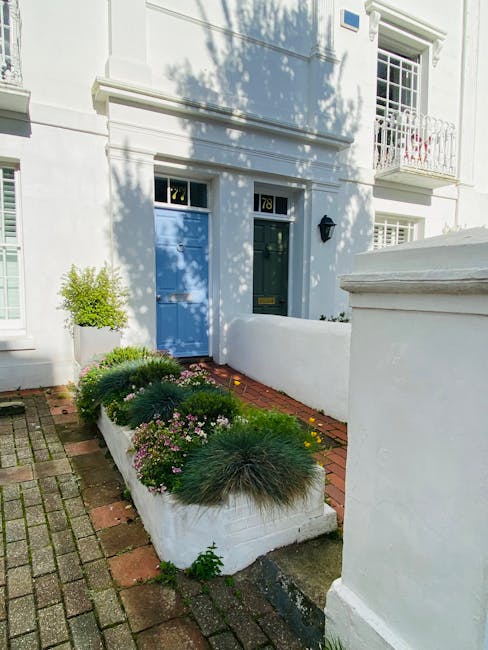
Small front garden ideas for E9 terraces by Gardeners Homerton
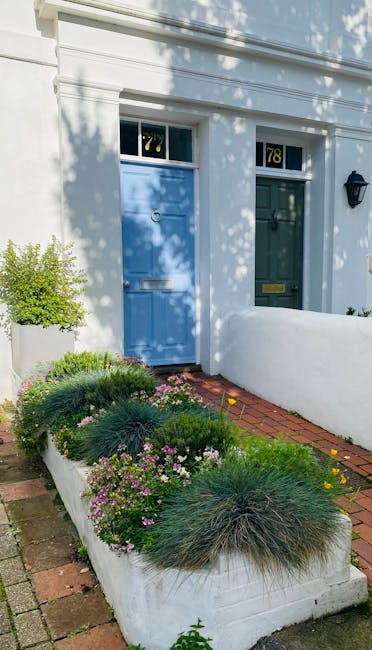
If you live on an E9 terrace, you already know the front garden is doing a lot of heavy lifting. It frames the house, handles the first impression, and has to work in a space that is often narrow, shaded, overlooked, or just a bit awkward. The good news? Small front garden ideas for E9 terraces by Gardeners Homerton can turn that tiny patch into something tidy, welcoming, and genuinely useful without making it feel crowded or overdesigned.
In practice, the best results usually come from simple choices: clear lines, planting that suits London conditions, and materials that age well rather than fighting the space. This guide walks through the design logic, the practical steps, and the common traps to avoid, so you can make confident decisions instead of guessing your way through it.
Why Small front garden ideas for E9 terraces by Gardeners Homerton Matters
A front garden on a terrace in E9 is more than decoration. It is often the first thing people see from the street, and in a row of similar houses, that matters more than most people think. A smart layout can make a small frontage feel wider, calmer, and more cared for. A poor one can look cramped, cluttered, or a little forgotten. Let's face it, in London that tiny strip of ground can either help the whole house breathe or make the entrance feel boxed in.
There is also the daily-use side. A front garden needs to cope with foot traffic, bins, post, bicycles, delivery people, muddy shoes, and weather that changes its mind every hour. If the space is hard to maintain, it gets neglected. If it is easy to maintain, it tends to stay nice. That is why small front garden planning is not really about "filling space"; it is about making a compact area do its job elegantly.
For E9 terraces, there is often a mix of sun, shade, wind exposure, and boundary constraints. A terrace garden that works on paper may fail in real life if the planting is too thirsty, the path is too narrow, or the layout ignores how people actually move through the space. Good design starts with those practical realities, not with the pretty part. The pretty part comes after.
Expert takeaway: In a small front garden, restraint is not a compromise. It is usually the secret to making the space feel bigger, calmer, and more expensive than it is.
If you are starting from scratch or tidying up something overgrown, it can help to read where to begin when transforming an unkempt garden first. That mindset is especially useful in compact front plots, where every decision is visible from the street.
How Small front garden ideas for E9 terraces by Gardeners Homerton Works
The basic principle is simple: divide the space into jobs. Most small front gardens need a route, a planted area, a boundary, and a visual focal point. Once you separate those jobs, the design stops feeling random. A few centimetres matter here, honestly. A path that is too wide or a border that is too deep can steal the sense of openness.
In a typical E9 terrace, the front garden may sit between the pavement and the house, sometimes with steps, a low wall, railings, or a short run of fencing. The best approach is usually to keep the hard landscaping clean and compact, then use planting to soften the edges. This can mean gravel, paving, a slim strip of planting, one statement shrub, or a carefully chosen mix of containers and low-maintenance ground cover.
It also works well to design from the front door outward. That sounds backwards, but it helps. Ask: what do I want to see when I open the door? What does a visitor notice first? Where will rainwater sit? Where does the light fall in the morning? Those are the questions that shape a garden that feels intentional rather than squeezed in as an afterthought.
Small front gardens are especially suited to layered but low-height planting. Height should generally be used with care, because tall planting can block sightlines and make a narrow plot feel smaller. For something soft and low, many homeowners pair pots with tidy edging and choose species that spread gently instead of racing across the bed. If you want more ideas on that side of things, ground cover plants for thriving UK gardens can be a useful starting point.
Key Benefits and Practical Advantages
A well-planned small front garden brings benefits that go beyond looks. The obvious one is kerb appeal. A neat entrance and attractive planting can make the house feel more cared for even before someone reaches the front step. That matters whether you are staying put or planning to sell one day.
There is also day-to-day enjoyment. A front garden you can see from the window becomes part of the home, not just outside space. A few evergreen shapes, seasonal flowers, or a tidy hedge line can make the entrance feel cheerful even in winter. On a grey morning, that is not a small thing.
Practical advantages include:
- Lower maintenance: compact planting schemes are easier to keep under control than overcrowded beds.
- Better structure: clear edges, stepping stones, and defined borders make the space feel organised.
- Improved drainage: the right surface choices can reduce puddling and splashback near the house.
- More privacy: even a modest hedge or climbing support can soften views into the front rooms.
- Year-round interest: a good mix of evergreen and seasonal planting avoids the "bare in winter" problem.
There is a climate angle too. Smaller, more biodiverse front gardens can help soften hard surfaces and support pollinators. You do not need to turn the space into a jungle. In fact, that would probably be counterproductive. A few well-chosen plants, healthy soil, and thoughtful maintenance are usually enough to make a real difference. If you are interested in the soil side of things, organic waste and soil improvement is worth exploring.
Who This Is For and When It Makes Sense
This approach is for anyone with a small terrace frontage who wants the garden to feel finished rather than temporary. It suits new homeowners, long-term residents refreshing tired planting, landlords aiming for a smart first impression, and families who need something attractive but not fussy.
It also makes sense if your front garden currently suffers from one of the usual problems: too much bare soil, patchy paving, weeds coming through, cluttered containers, or a hedge that has been left to do its own thing. You know the look. It starts with good intentions and ends with one random pot, a half-broken spade, and a lot of apologies to the neighbours.
These ideas are especially useful if you want:
- a front garden that looks good from the street
- low-maintenance planting for busy weeks
- better use of a shallow or narrow plot
- more privacy without making the frontage feel shut in
- a tidy, safe approach for children, guests, or older residents
If the garden is very shaded, tree-heavy, or already invaded by self-seeded growth, the design process needs a little more planning. In those cases, useful related reading includes evergreen climbers in shaded spaces and ways to eradicate ivy, because old ground conditions can shape everything that follows.
Step-by-Step Guidance
1. Start with a clean assessment
Before choosing plants or paving, look at the space properly. Measure the width and depth. Note where the sun hits, where water collects, and where people naturally walk. A small front garden often fails because the design ignores movement. One awkward step pattern can make the whole entrance feel clumsy.
Ask yourself what must stay, what should go, and what could be simplified. Sometimes the answer is not more features. Sometimes it is fewer.
2. Decide the main job of the garden
Do you want a purely decorative frontage, a low-maintenance entrance, a soft privacy screen, or a mix of all three? This choice matters because the planting and materials should support it. A minimal scheme with hard edges feels very different from a soft, cottage-style planting bed. Neither is wrong. They just solve different problems.
3. Keep the structure simple
In a small space, structure does more work than decoration. A narrow path, a neat edge, one or two repeating materials, and a strong container arrangement often look better than lots of disconnected details. Repetition helps the eye settle. Too many finishes can make the frontage feel busy, almost fussy.
If you like a more vertical approach, a slim trellis or wall planting can help, especially where ground space is limited. Our topic cluster on vertical gardening from concept to reality is a good companion idea for terrace plots.
4. Choose plants that can cope
For E9 terraces, plant choice should reflect local realities: wind, shade from buildings, compact root space, and occasional neglect. That often means mixing evergreen structure with a few seasonal accents. Low-growing shrubs, hardy perennials, and ground cover plants tend to be safer bets than high-maintenance exotics.
Good planting should not demand heroics. If it needs a weekly rescue mission, it probably is not right for the front garden.
5. Add one clear focal point
This could be a feature pot, a small tree in a container, a bench, a sculptural shrub, or a clipped shape by the door. The point is not to show off. It is to give the eye somewhere to land. Small gardens often feel bigger when they have one confident focal point rather than five competing ones.
6. Finish with easy maintenance details
Mulch, edging, weed control, and sensible access all matter. Use materials and plants that make upkeep realistic. A front garden that takes two hours a week may be fine for some people, but for most households it quickly becomes a burden. The best design is the one you can actually live with.
Expert Tips for Better Results
Here is the part where the small decisions start to matter quite a lot. In our experience, the best-looking front gardens are rarely the most expensive. They are the most consistent. A couple of repeating textures, a calm colour palette, and one or two sharp edges can do more than a basketful of random purchases from a weekend sale. Truth be told, plants are often the easy bit; discipline is harder.
- Use fewer colours than you think you need. Greens, silvers, one flower colour, and perhaps one accent tone usually feel more refined.
- Lift planting off the ground where needed. Containers and raised features can help with drainage and visibility.
- Keep boundaries crisp. A clean edge makes even simple planting look deliberate.
- Think about night-time appearance. A small front garden near an entrance should still feel neat after dark.
- Choose plants with different textures. Soft leaves beside spiky or glossy leaves can create depth without clutter.
If you want a low-stress scheme, take a look at maintaining an easycare garden on a tight budget. Budget-friendly does not have to mean plain, by the way. It usually just means better editing.
And if the frontage gets a lot of weather exposure, especially crosswinds, a bit of defensive planting or shelter planning helps. See also combatting wind with style for the broader approach.
Common Mistakes to Avoid
The most common mistake is overfilling the space. It is tempting, because a small garden can look unfinished when it is first stripped back. But overcrowding usually makes it worse in the long run. Plants need room to breathe, paths need room to work, and the eye needs space too.
Other frequent problems include:
- Using plants that grow too large: what looks neat in spring may be unruly by late summer.
- Ignoring maintenance access: if you cannot reach the back of the bed, weeds will win.
- Choosing slippery or awkward surfaces: front garden paving should be practical in wet weather.
- Mixing too many materials: brick, slate, gravel, timber, and bright pots all in one tiny plot can feel chaotic.
- Forgetting the house frontage: the garden should relate to the building, not compete with it.
Another one, and this is a sneaky one, is planting for the current season only. A front garden needs to look decent in February as well as June. That is where structure plants, evergreen climbers, and tidy boundary planting earn their keep. If cold weather is a concern, protecting plants from winter cold can help you plan more sensibly.
Tools, Resources and Recommendations
You do not need a van full of kit, but a few reliable tools make small front garden work much easier. At minimum, most homeowners benefit from a decent hand fork, secateurs, a sturdy trowel, a watering can or hose attachment, and something for edge control. If you are shaping hedges or small shrubs, the right cutter matters more than brute force. A blunt tool just tears rather than trims. Annoying, and bad for the plant.
Useful planning and maintenance resources for this kind of project often include:
- the ultimate toolbox for the outdoor gardener for a practical kit overview
- beginner-friendly gardening tips if you are starting from zero
- weed control basics to keep a compact front garden tidy
- mulching guidance where pets or access are part of the equation
For planting inspiration, containers can be especially useful on terraces where the ground is poor or awkwardly shaped. Container gardening gives you flexibility, and flexibility is gold in a tight space.
If the project needs more than a tidy-up, you may want support from a team that handles broader garden work as part of the plan. Related service areas include gardening services, landscaping, fencing, patio cleaning, and garden maintenance. For front gardens that need a firmer visual frame, hedge shaping can also help, and hedge trimming in Homerton is a useful reference point.
Law, Compliance, Standards, or Best Practice
For a small front garden, the main compliance question is usually not formal planning permission but practical responsibility. You should make sure the space is safe, tidy, and not creating avoidable hazards. That means keeping paths clear, avoiding unstable features near entrances, and not allowing planting or hard landscaping to obstruct access.
If you are making structural changes, such as retaining walls, significant drainage changes, raised levels, or major boundary alterations, it is sensible to check what is appropriate before starting. In a terrace setting, that caution is especially sensible because shared boundaries and front access can become sensitive quickly. Nobody wants a simple garden refresh to turn into a neighbourly debate over a fence line. No one. Really.
Best practice also includes:
- using non-slip, weather-sensible surfaces near entrances
- maintaining visibility from the door and path
- choosing materials that are stable and appropriate for foot traffic
- disposing of green waste responsibly
- checking that planting does not interfere with utilities, step access, or safety lighting
Where larger works or tree-related issues are involved, you may need specialist support. Services such as tree surgery, lawn care, or lawn mowing can be relevant if the front garden includes grass, mature shrubs, or overgrown canopy cover.
For trust and process information, it is also sensible to review the site's own policies, including insurance and safety, health and safety policy, terms and conditions, and payment and security. That is less glamorous than planting ideas, but it matters.
Options, Methods, or Comparison Table
Here is a practical comparison of the most common approaches for small E9 terrace front gardens. The right answer depends on light, time, budget, and how much visual softness you want.
| Method | Best for | Pros | Trade-offs |
|---|---|---|---|
| Low-maintenance planting bed | Busy homeowners who want a neat, natural look | Softens the frontage, improves biodiversity, easy to refresh seasonally | Needs weed control and occasional pruning |
| Container-led design | Very small or awkward plots | Flexible, easy to rearrange, good for poor soil | Requires watering and can look cluttered if overdone |
| Hard landscaping with minimal planting | Homes needing a very clean, modern finish | Low visual clutter, straightforward upkeep, crisp lines | Can feel stark without careful planting or texture |
| Mixed scheme with hedge and pots | People wanting privacy and structure | Balanced look, year-round presence, good kerb appeal | Requires trimming and careful spacing |
If you are unsure which route to take, begin with the least complicated version of the garden you actually want. That sounds obvious, but it is where many projects go off the rails. People plan for a fantasy version of their free time. Monday-to-Friday reality is usually less forgiving.
Case Study or Real-World Example
Imagine a narrow E9 terrace frontage that had become a patchy mix of tired pots, broken paving, and a couple of self-seeded shrubs leaning over the path. Nothing dramatic, just messy enough that the entrance felt smaller every year. The owners wanted something smarter but did not want to spend every weekend on maintenance.
The solution was pretty modest. The old clutter was removed, the path was narrowed only where it needed to be, and the planting was rebuilt around repetition: two matching containers by the door, a slim low hedge for structure, and a mix of evergreen ground cover with a couple of seasonal highlights. The result was calmer, not busier. From the pavement, the house suddenly looked properly framed. From inside, the view out the front window felt cleaner too.
What made the difference was not a huge budget. It was editing. The team chose plants that could handle shade and wind, kept the palette restrained, and left enough open surface for the space to breathe. The front garden began to look intentional in the first season and settled even better once the planting filled out. That is usually how the best small gardens work: they improve quietly.
For overgrown starts like that, it can also help to read where to begin when transforming an unkempt garden. And if the old scheme includes intrusive climbers, ivy removal strategies can save you a lot of grief.
Practical Checklist
Use this before you start, or before you agree to any redesign:
- Have you measured the frontage accurately?
- Do you know how much sun, shade, and wind the garden gets?
- Is the path wide enough to use comfortably?
- Have you chosen a clear style: modern, soft, classic, or mixed?
- Are your plants suitable for a small London terrace garden?
- Will the design still look good in winter?
- Is maintenance realistic for your schedule?
- Do you need privacy from the street or from neighbours?
- Have you allowed space for bins, bikes, or everyday access?
- Do you need help with pruning, clearing, or structural work?
If any of those answers feel uncertain, that is normal. It usually means the project needs a proper plan rather than a rush. And that is fine.
Conclusion
Small front garden ideas for E9 terraces by Gardeners Homerton are really about making a modest space feel calm, welcoming, and easy to live with. The strongest designs are usually not the fanciest ones. They are the ones that understand the house, the street, the weather, and the amount of time the owner actually has. A tidy frontage, a handful of reliable plants, and one or two clear design decisions can change the whole feel of a terrace home.
To be fair, the best front gardens often come from a bit of restraint and a lot of judgement. Keep the structure simple, choose planting that behaves itself, and leave room for the garden to grow into its shape. That way, the space gets better over time instead of becoming another job on the list.
Get a free quote today and see how much you can save.
If you are ready to improve your frontage, start by sketching the space, noting its awkward bits, and deciding what kind of welcome you want to create. Small can be smart. Small can be stylish. And in a terrace street, that is often exactly what works best.
Frequently Asked Questions
What are the best small front garden ideas for E9 terraces?
The best ideas usually combine a compact layout, easy-care planting, and one clear focal point. For E9 terraces, that often means low borders, containers, a neat path, or a simple hedge line that frames the house without closing it in.
How do I make a tiny terrace front garden look bigger?
Use fewer materials, keep edges sharp, and avoid overcrowding. Repetition helps too. A small number of matching pots or repeated plants usually makes the space feel calmer and larger than a mixed-up collection of items.
Which plants work well in a small front garden in London?
Look for hardy, low-maintenance plants that can cope with local shade, wind, and changing conditions. Evergreen structure, ground cover, and compact shrubs tend to be safer choices than fussy plants that need constant attention.
Are containers a good choice for small front gardens?
Yes, especially where the soil is poor or the layout is awkward. Containers give flexibility and help you control height and shape. Just remember they need watering, feeding, and a bit of occasional repositioning.
How much maintenance does a small front garden usually need?
That depends on the design. A simple front garden with sturdy planting can be quite low-maintenance, while a more decorative scheme may need regular pruning, weeding, and seasonal refreshes. The key is choosing a layout you can realistically keep up.
Can I have privacy in a small front garden without making it look closed off?
Yes. A low hedge, a carefully placed screen, or climbers on a narrow support can soften views while still keeping the frontage open. The trick is to avoid heavy barriers that make the garden feel boxed in.
What should I avoid in a narrow terrace front garden?
Avoid overplanting, oversized pots, slippery finishes, and anything that blocks the path. In a narrow space, every extra object is noticeable, so edits matter more than additions.
Is gravel a good option for a small front garden?
It can be, if the site is suitable and the edging is done properly. Gravel works well for a neat, low-maintenance finish, but it needs good preparation and the right planting plan to stop it looking bare.
Do I need professional help for a small front garden makeover?
Not always, but professional help can save time and avoid expensive mistakes, especially if the garden needs clearing, reshaping, boundary work, or a better long-term layout. A small space can be surprisingly fiddly.
How do I deal with an overgrown or neglected frontage first?
Start by clearing the worst of the clutter and understanding what is actually there. Then decide what stays, what goes, and what can be reused. A helpful first read is where to begin when transforming an unkempt garden, which is a sensible approach for any tired front plot.
What if my front garden gets very little sun?
Choose shade-tolerant planting and avoid assuming every bed can behave like a sunny one. Shade is not a problem in itself; it just changes the plant palette. Evergreen climbers, structural foliage, and selected ground cover can work very well.
How do I keep my front garden looking good in winter?
Mix evergreen structure with hardy planting so the garden still has shape when flowers fade. Winter interest comes from form, texture, and tidy maintenance. If you are planning ahead, winter plant protection tips can help a lot.
Where can I get help with a front garden project in Homerton?
If you want help turning ideas into a practical plan, Gardeners Homerton offers services that can support clearing, maintenance, and broader garden improvements. For advice or next steps, the most direct place to begin is the contact page.