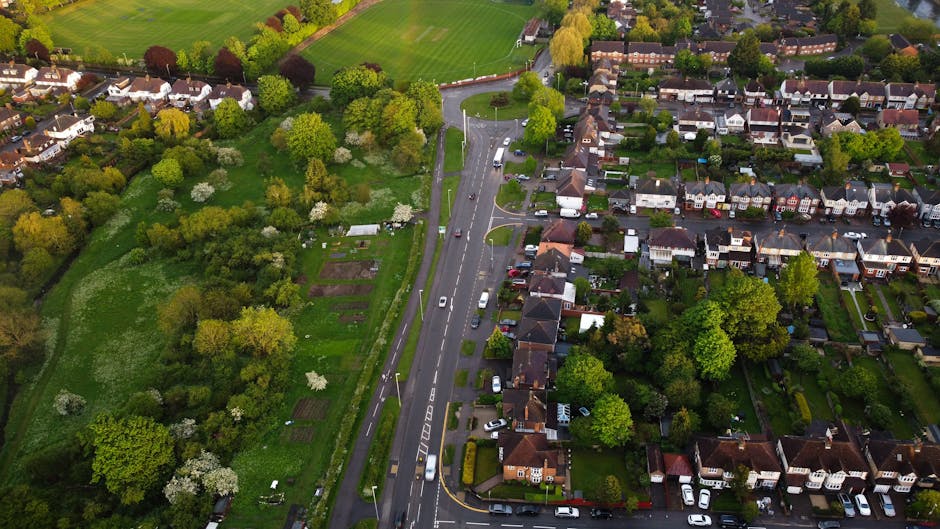
Gardeners serving Chatsworth Road and Clapton Common E9: Practical Local Help for Gardens That Need to Look Their Best
If you are looking for gardeners serving Chatsworth Road and Clapton Common E9, you are probably after more than a quick tidy-up. Maybe the lawn has gone patchy, the hedge is swallowing the path, or the whole garden just feels a bit behind. To be fair, that is exactly where a good local gardening service earns its keep. The right team can bring order, health, and a bit of pride back into the space without making things feel overcomplicated.
This guide explains what local gardeners typically do, how the service works, what to expect, and how to decide what your garden actually needs. Along the way, you will find practical tips for maintenance, seasonal care, privacy planting, and sensible ways to improve a small urban garden without wasting money or effort.
Why Gardeners serving Chatsworth Road and Clapton Common E9 Matters
Gardens in this part of East London often work hard for their square footage. You may be dealing with shaded corners, overlooked boundaries, compact patios, narrow side returns, or soil that has taken a bit of punishment over the years. A local gardener who understands that environment is not just "nice to have"; it changes the result.
Why does local knowledge matter so much? Because urban gardens are full of little quirks. One plot gets strong afternoon sun for three months and then almost none in winter. Another traps wind between walls. Another has roots, builders' rubble, or a lawn that never seems to recover. Gardeners serving Chatsworth Road and Clapton Common E9 need to be able to read those conditions quickly and work with them, not against them.
There is also the time factor. Most people do not need a full redesign every six months. They need reliable help at the right moments: hedge cutting before things become unmanageable, lawn care after a wet spell, weed control before borders go wild, or a refresh before family events and summer gatherings. That is the real value. Steady, responsive care.
Expert summary: a good local gardening service is not only about making a garden look neat today. It is about setting it up so it stays healthier, easier to maintain, and less expensive to manage over time.
How Gardeners serving Chatsworth Road and Clapton Common E9 Works
The process usually starts with a look at the garden as it is, not as you wish it were. That sounds obvious, but it matters. A skilled gardener will assess the condition of lawns, beds, hedges, trees, paving, fencing, and any problem areas such as ivy, compacted soil, drainage issues, or heavy shade.
From there, the work is usually shaped around your priorities. If you want to reclaim the space quickly, the first visit might focus on clearance, cutting back growth, removing debris, and getting the structure back under control. If the garden is already tidy, the focus may shift to maintenance, lawn treatment, pruning, or seasonal planting.
In many cases, the job breaks into a few practical stages:
- Assessment: identify what is healthy, what is overgrown, and what needs urgent attention.
- Clearance: remove waste, weeds, dead growth, or clutter that is blocking progress.
- Core care: mow, trim, edge, prune, weed, feed, and tidy the most visible areas.
- Improvement work: mulching, planting, soil improvement, hedge reshaping, or surface cleaning.
- Ongoing upkeep: set a realistic schedule so the garden does not slip back again two weeks later. Happens all the time.
Depending on the condition of the space, a gardener may also recommend more specialised work such as routine garden maintenance, lawn care, or structural improvements through landscaping. If the border is full of difficult climbers, one of the most useful guides to pair with the work is this practical ivy removal article.
For people who want a broader service rather than isolated jobs, it helps to think of the garden as a system. The lawn, borders, patio, boundaries, and planting all influence each other. Let one part slide and the whole thing feels off.
Key Benefits and Practical Advantages
There are some obvious benefits to hiring local gardeners, but the less obvious ones are often the most valuable.
- Better consistency: a garden looks good for longer when it is maintained properly, not just rescued occasionally.
- Less stress: you do not have to spend your weekend wrestling with weeds, overgrowth, or a blunt hedge trimmer.
- Smarter plant choices: local gardeners can suggest plants that are more likely to cope with shady spots, urban conditions, or limited space.
- Improved safety: cutting back overgrowth, clearing slippery surfaces, and managing uneven areas helps reduce trip hazards.
- Better first impressions: front gardens and visible entrances matter, especially on busy residential streets.
- Long-term savings: dealing with issues early usually costs less than waiting until damage spreads.
There is a quieter benefit too. A well-kept garden changes how a home feels from the inside. You notice it when the back door opens and the air smells fresh rather than damp and overgrown. You notice it when the view from the kitchen is calm instead of chaotic. Small thing, maybe. But not really.
For gardens that need privacy or a softer boundary, hedge planning can make a huge difference. A useful related read is these fast-growing hedge ideas for privacy, and if you are thinking about shaping rather than replacing, creative hedge trimming ideas can help you see the space differently.
Who This Is For and When It Makes Sense
Not every garden needs the same level of attention. The right service depends on how you use the space and what kind of pressure it is under.
This kind of local gardening support makes sense if you are:
- a homeowner who wants the garden to stay manageable all year;
- a landlord preparing a property between tenancies;
- a busy family needing safer, tidier outdoor space;
- a new resident facing a garden that has been ignored for months;
- someone with limited mobility who needs practical help maintaining the space;
- an enthusiast who loves plants but needs a hand with the heavy work.
It also makes sense when the job has become too large for a weekend project. That is usually the point where people realise they have not actually been gardening; they have been negotiating with chaos. If the lawn is mostly moss, the borders are full of self-seeded weeds, or the patio has turned green and slippery, bring in help sooner rather than later.
For beginners, a helpful starting point is these beginner gardening tips. For more cluttered or neglected plots, where to begin with an unkempt garden is especially useful because it shows how to prioritise without panicking.
Step-by-Step Guidance
If you are planning to work with gardeners serving Chatsworth Road and Clapton Common E9, the process is smoother when you know how to prepare.
- Walk the garden first. Look at the whole space in daylight. Identify the worst areas, the most useful areas, and anything you want preserved.
- List your priorities. Be clear about what matters most: lawn recovery, hedge cutting, weed clearance, patio cleaning, planting, or a full tidy-up.
- Separate urgent from optional work. A fallen branch or trip hazard comes before decorative planting. That order helps keep costs sensible too.
- Decide on maintenance frequency. Some gardens need monthly care; others need seasonal visits. The answer depends on growth rate, use, and how much you can manage yourself.
- Ask for a realistic plan. Good gardeners should explain what can be done in one visit and what will improve over time.
- Prepare access and clearance. Move bins, bikes, toys, or furniture out of the way where possible. It saves everyone time.
- Review after the first session. Check what improved, what still needs attention, and whether the work style suits you.
A practical example: a small back garden with a tired lawn, a hedge creeping over the fence, and a patio covered in grime may not need a "full makeover." It may need one focused visit for clearance, followed by a lighter maintenance schedule. That is often the smarter route.
For surface cleaning, a dedicated approach can make outdoor areas feel new again. See patio cleaning support if moss and staining are part of the problem. For overgrown boundaries, hedge trimming services can be the difference between a narrow path and a proper usable garden.
Expert Tips for Better Results
There are a few habits that make a big difference to how long garden improvements last.
- Don't chase perfection on day one. A garden often needs structure first, then detail. Getting the bones right matters more than fussy finishing.
- Work with the light. In shaded spaces, choose plants and maintenance routines that suit slower drying and softer growth.
- Mulch at the right time. Mulching helps suppress weeds and hold moisture, but it should not smother delicate plants. If pets use the garden, it is worth reading dog-safe mulching tips.
- Feed soil, not just plants. Healthy soil makes every other job easier. Compost and organic waste are often a big part of that.
- Keep pruning light and regular. Small cuts are easier for trees and shrubs to recover from than heavy, sudden reductions.
- Think seasonally. What works in early spring is not the same as what works in late autumn. Timing matters, annoyingly, but it really does.
If you want lower-maintenance planting, ground cover can be a very sensible choice. It reduces bare soil, softens edges, and helps keep weeds down. Take a look at these versatile ground cover plants. For green walls, awkward fences, or shaded spots, evergreen climbers for shaded spaces can be a strong option.
Common Mistakes to Avoid
Most garden headaches come from trying to do too much too quickly, or from ignoring small issues until they become big ones.
- Cutting everything back at once. Heavy-handed pruning can stress plants and leave the garden looking bare.
- Choosing the wrong plant for the wrong place. A sunny border plant will not magically love deep shade. Nature tends to be stubborn like that.
- Leaving weeds to seed. Once that happens, you are buying yourself extra work for months.
- Using the wrong mulch depth. Too little does nothing; too much can trap moisture and damage stems.
- Ignoring drainage. If water sits in the same corner after rain, planting will always be harder there.
- Only treating the visible mess. A neat top layer can hide compacted soil, weak roots, or structural issues underneath.
Another common mistake is assuming the cheapest option is the best value. It often isn't. A slightly more thoughtful service with clear communication, proper waste handling, and a realistic schedule usually pays off better than a rushed cut-and-go visit. That said, there is no need to overcomplicate things either. Simple done properly is often enough.
Tools, Resources and Recommendations
Good gardening work depends on having the right tools and knowing when to use them. A proper toolkit usually includes cutting tools, edging tools, lawn equipment, gloves, waste bags, pruning gear, and materials for planting or soil improvement.
If you like to understand the practical side, this outdoor gardener's toolbox guide is a useful read. For smaller spaces, especially in London homes with patios, balconies, or narrow yards, container gardening is a smart way to add colour without demanding a huge bed.
Some homeowners also benefit from related services when the garden needs more than general upkeep. For example:
- lawn mowing for regular surface care;
- lawn care when grass needs feeding, repair, or recovery;
- fencing work if boundaries are damaged or no longer giving privacy;
- tree surgery for larger or riskier woody growth that should not be treated casually;
- decking services if the outdoor space needs a more usable living area.
For budget planning, it is sensible to ask for clear pricing and a scope of work before anything starts. That avoids awkward misunderstandings later and helps you decide whether to tackle the garden in one visit or over a few stages.
Law, Compliance, Standards, or Best Practice
Most gardening work is straightforward, but there are still sensible standards to follow. In the UK, good practice means using equipment safely, disposing of waste properly, and working carefully around neighbouring properties, shared access, and protected features.
If work involves ladders, power tools, tree work, or heavy lifting, safety should be front and centre. That is one reason to check whether a provider has clear insurance and safety information and an up-to-date health and safety policy. It is not just paperwork. It protects everyone involved.
It is also wise to look for clear business terms, especially if you are booking recurring work or larger projects. Pages such as terms and conditions, payment and security, and privacy policy help set expectations. For some customers, especially landlords or those handling sensitive arrangements, that reassurance matters more than people think.
If a complaint ever does arise, a visible process is a good sign. You want a service that takes concerns seriously, not one that disappears into the shrubbery. A little joke, but only a little.
Options, Methods, or Comparison Table
Different gardens need different levels of attention. Here is a simple way to compare common approaches.
| Approach | Best for | What it includes | Typical advantage | Watch out for |
|---|---|---|---|---|
| One-off tidy-up | Overgrown or neglected gardens | Clearance, cutting back, basic restoration | Fast visual improvement | Can slip back without follow-up |
| Regular maintenance | Busy households and landlords | Mowing, weeding, pruning, seasonal care | Keeps the garden stable and manageable | Needs commitment to a schedule |
| Targeted specialist work | Problem areas such as hedges, lawns, patios, or trees | Focused service on one issue | Efficient and precise | May not solve wider garden issues |
| Full redesign or landscaping | Spaces that no longer suit how you live | Layout changes, planting plans, hard landscaping | Transforms use and appearance | Higher planning and coordination required |
In practice, many gardens end up using a mix of these. A one-off rescue, then maintenance. Or targeted work on hedges and lawn, followed by a gentler seasonal plan. That blend is often the sweet spot.
Case Study or Real-World Example
Picture a typical Clapton-side back garden in late spring: the lawn is thin but salvageable, ivy is creeping where it should not, the patio is slippery, and the borders are full of tired growth from last year. It is not a disaster. It just needs proper attention.
In a case like that, the first job is usually not planting. It is clearing. Remove the ivy, cut back overcrowding, lift debris, and clean the surfaces. Then assess the lawn and soil. If the ground is compacted, it may need aeration, feeding, or a break from heavy foot traffic. After that, choose low-maintenance plants that suit the light conditions rather than forcing in something that looks nice for two weeks and then sulks.
That kind of staged approach works because it respects how gardens actually behave. You do not "fix" a space by throwing effort at it once. You improve it in layers.
A homeowner in that situation might also decide to add a simple seating area and a few containers so the garden feels useful again, not just tidy. That mix of practical and pretty is usually the goal. No need to turn it into a show garden unless that is genuinely what you want.
Practical Checklist
Use this quick checklist before booking work or starting a garden project:
- Walk the whole garden in daylight.
- Note urgent problems: trip hazards, heavy overgrowth, broken fencing, slippery paving.
- Decide what matters most: lawn, hedges, planting, clearance, or redesign.
- Check whether the space needs one-off help or ongoing maintenance.
- Look for signs of poor drainage, shade, or compacted soil.
- Separate decorative ideas from essential work.
- Ask how waste will be removed and handled.
- Confirm whether tools, materials, and labour are included.
- Make sure the provider has clear safety and policy information.
- Set a realistic next step, not a fantasy garden plan that costs the earth.
Quick takeaway: the best results usually come from honest assessment, sensible priorities, and steady follow-through. Not from trying to do everything in one heroic afternoon.
For more help shaping your plan, you can also review pricing and quotes before you decide what scope fits your budget, and if you are ready to speak to someone, get in touch here.
Get a free quote today and see how much you can save.
Conclusion
Gardeners serving Chatsworth Road and Clapton Common E9 are most valuable when they bring order, local understanding, and practical judgement to a garden that needs more than a surface tidy. Whether the job is simple maintenance, a stubborn hedge, a tired lawn, or a full reset, the best outcome usually comes from clear priorities and consistent care.
If you want a garden that looks better, works better, and feels easier to live with, start with the basics and build from there. A manageable garden is a happier one, really. And once the hard edges are sorted, you tend to enjoy the space again almost immediately.
That moment when you step outside and think, yes, this is better now - that is the point.
Frequently Asked Questions
What do gardeners serving Chatsworth Road and Clapton Common E9 usually help with?
They often help with lawn mowing, hedge trimming, weed control, planting, garden maintenance, patio cleaning, clearance, pruning, and seasonal tidy-ups. Some also offer landscaping or tree-related work when the garden needs more involved improvement.
How often should a garden in E9 be maintained?
It depends on the size of the garden, how much sun it gets, and how fast things grow. Many gardens benefit from monthly or fortnightly attention in spring and summer, then lighter seasonal care in the colder months.
Is a one-off garden tidy enough?
Sometimes, yes. If the garden only needs a reset after a busy spell, a one-off tidy can be enough. If it is a garden that grows quickly or has recurring issues, ongoing maintenance tends to work better.
Can gardeners help with overgrown hedges and ivy?
Yes, and those are very common jobs. Overgrown hedges may need shaping or reduction, while ivy may need careful removal and follow-up to stop it coming back. For ivy, a targeted approach is usually best.
What is the difference between garden maintenance and lawn care?
Garden maintenance covers the whole outdoor space, including weeding, pruning, edging, and general tidying. Lawn care is more specific and focuses on the condition of the grass, such as mowing, feeding, repair, and moss or weed control.
Do I need landscaping if my garden just looks untidy?
Not always. If the garden mainly needs clearing and routine care, maintenance may be enough. Landscaping becomes more relevant when you want to change the layout, surfaces, borders, or overall function of the space.
How can I make a small urban garden easier to maintain?
Choose tough plants, reduce bare soil, keep the layout simple, use containers where useful, and stay on top of weeds before they spread. Regular small jobs are much easier than letting everything pile up.
What should I check before hiring a gardener?
Check the scope of work, pricing, waste removal, access needs, safety information, and whether they can handle the specific tasks in your garden. It also helps to ask how they would prioritise a neglected space.
Are hedges and lawns worth investing in?
Yes, because they shape how the whole garden feels. A well-kept hedge can add privacy and structure, and a healthy lawn often makes the space look cleaner and more cared for, even if the rest of the garden is simple.
What if my garden has shade, wind, or poor soil?
That is very normal in London gardens. The answer is to choose plants and maintenance methods that suit the conditions rather than fighting them. Shade-tolerant plants, wind-resistant structure, and soil improvement can make a real difference.
Can a gardener help prepare a garden for children or pets?
Yes. A gardener can help make the space safer by reducing hazards, improving visibility, using suitable mulch, and choosing planting that fits how the garden is actually used. That kind of planning is often overlooked.
Where do I start if the garden feels completely out of control?
Start with the worst practical problems first: access, safety, overgrowth, and waste. Once the space is physically manageable, the rest becomes much easier to plan. The important thing is not to try and solve everything at once.